









February is one of the best months of the year to explore Asia. Comfortable temperatures, clear skies in many regions, and a packed calendar of cultural celebrations make it an ideal time for short getaways or extended regional trips, especially for travelers based in Thailand. From snow festivals in Japan to spiritual processions in Southeast Asia, February 2026 offers a diverse mix of events that highlight Asia’s rich traditions, seasonal beauty, and cultural depth.
Lunar New Year Celebrations
China, Hong Kong, Singapore, Vietnam
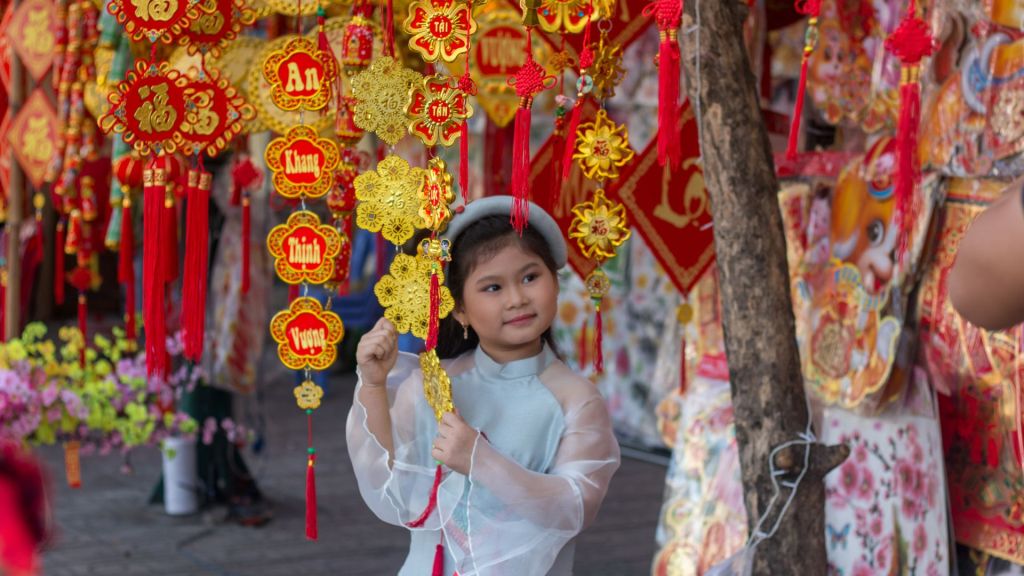
Depending on the lunar calendar, Lunar New Year celebrations often extend into early February. Even after the official New Year’s Day, cities across Asia remain decorated with red lanterns, zodiac displays, and festive street markets. In China and Hong Kong, large-scale parades, fireworks, and temple fairs dominate city centers. Singapore’s Chinatown hosts cultural performances and night markets, while Vietnam’s Tết celebrations feature flower markets, traditional foods, and family-centered rituals. For travelers, this period offers a rare chance to experience Asia at its most festive and symbolic.
Lantern Festival
Taiwan, China
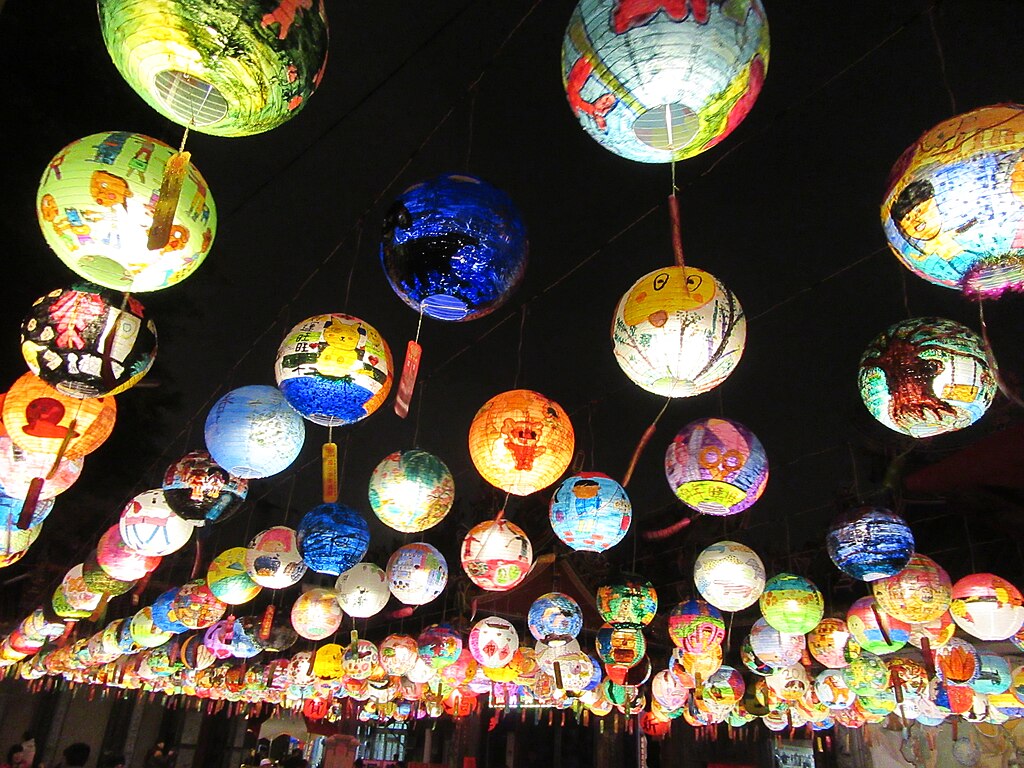
(Photo credit: Zest, CC BY-SA 4.0, via Wikimedia Commons)
The Lantern Festival marks the official end of Lunar New Year celebrations and typically falls in February. Taiwan’s annual Lantern Festival is especially popular, with massive illuminated installations, cultural performances, and interactive light displays rotating between host cities. In Pingxi, thousands of sky lanterns are released at night, creating a magical scene that draws visitors from across Asia. It’s one of the most visually striking festivals of the year and a favorite for photographers and culture-focused travelers.
Thaipusam
Malaysia, Singapore
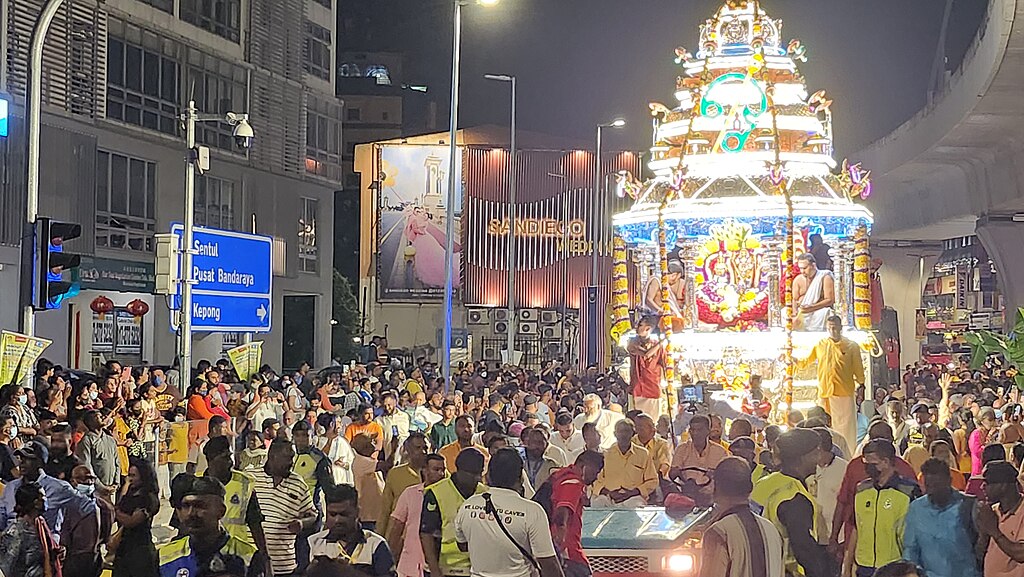
(Photo credit: Renek78, CC BY-SA 4.0, via Wikimedia Commons)
Thaipusam is a major Hindu festival held in February and is most famously celebrated at Batu Caves near Kuala Lumpur and in parts of Singapore. Devotees participate in long processions, acts of devotion, and temple rituals honoring Lord Murugan. The event is deeply spiritual yet visually powerful, offering visitors insight into one of the region’s most important religious traditions. For travelers based in Thailand, Kuala Lumpur and Singapore are easily accessible destinations for witnessing this unique cultural event.
Sapporo Snow Festival
Hokkaido, Japan
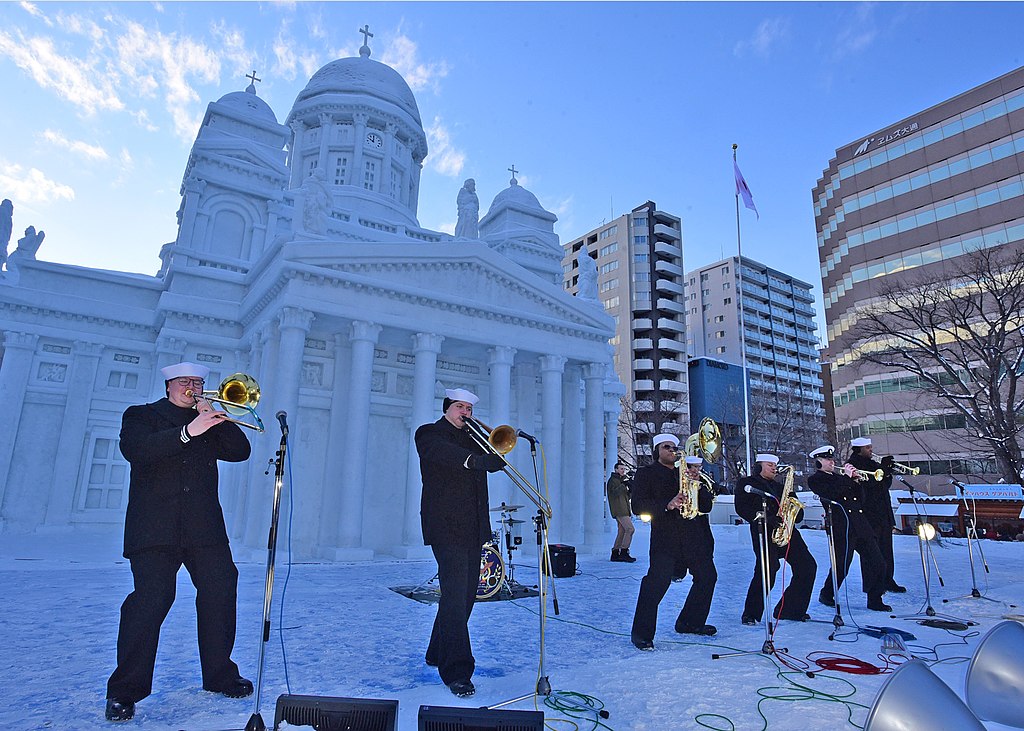
(Photo credit: Official U.S. Navy Page from United States of America MC2 Adam K. Thomas/U.S. Navy, Public domain, via Wikimedia Commons)
Held in early February, the Sapporo Snow Festival is one of Japan’s most iconic winter events. The city fills with enormous snow and ice sculptures, some inspired by famous landmarks, pop culture, and historical scenes. Despite the cold temperatures, the festival atmosphere is lively and family-friendly, with food stalls, light displays, and nighttime illuminations. It’s a standout option for travelers looking to experience Asia beyond its tropical image.
Makha Bucha Day
Thailand
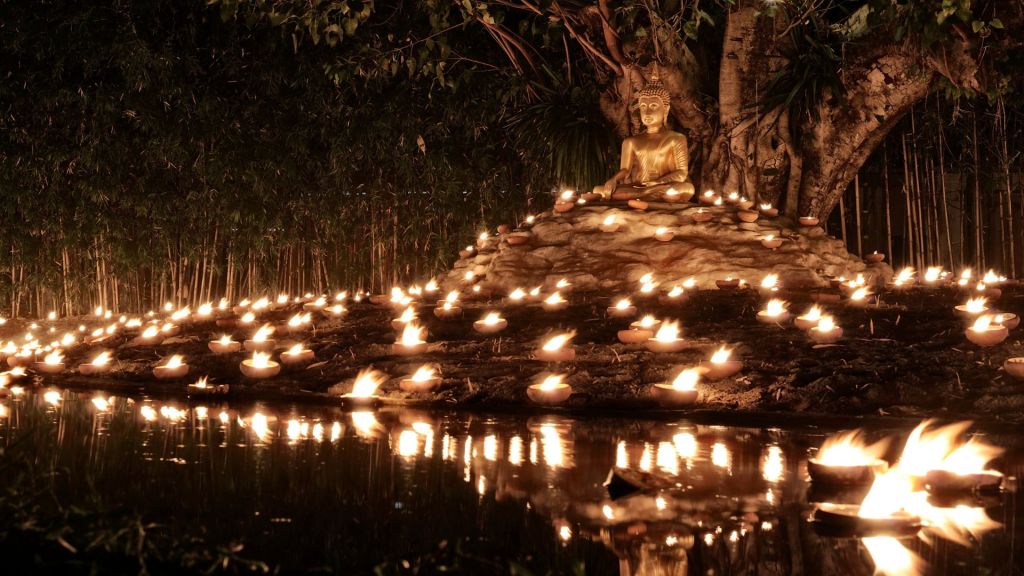
Makha Bucha is an important Buddhist holiday in Thailand, often falling in February. Temples across the country host candlelight processions, meditation ceremonies, and merit-making activities. While it’s a quieter, more reflective event compared to street festivals elsewhere in Asia, Makha Bucha offers travelers a meaningful cultural experience. Visiting major temples in Bangkok, Chiang Mai, or Ayutthaya during this time provides insight into Thailand’s spiritual traditions and daily life.
Chingay Parade
Singapore
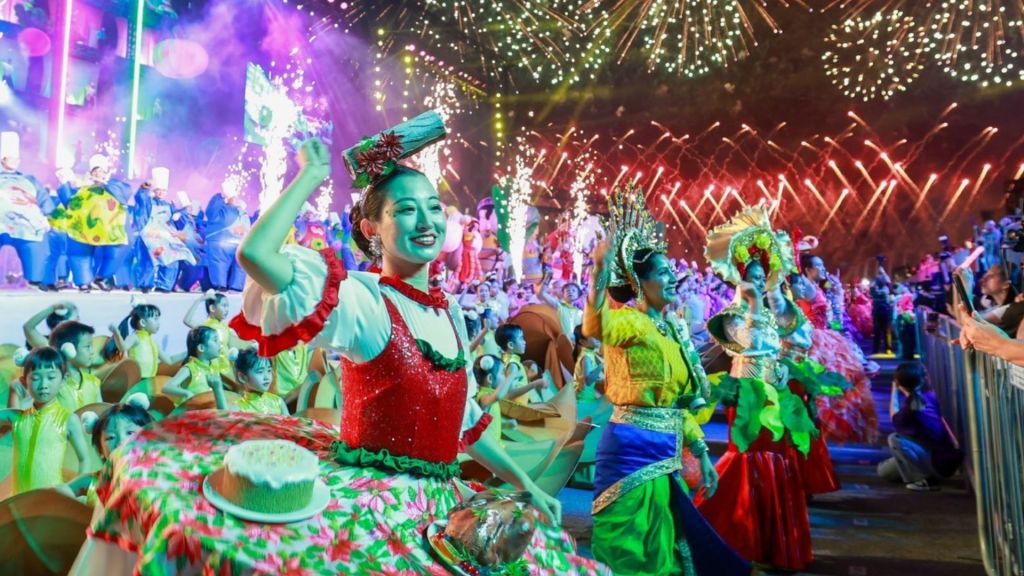
(Photo credit: Chingay Parade Singapore)
One of Asia’s largest street parades, Chingay usually takes place in February and features elaborate floats, multicultural performances, and vibrant costumes. Originally part of Lunar New Year celebrations, the event has evolved into a massive showcase of Singapore’s cultural diversity. The parade combines traditional Chinese elements with modern dance, music, and international performers, making it one of the most energetic festivals in Southeast Asia.
Comments