









Every year on June 7, World Food Safety Day highlights the importance of safe food practices around the world. Whether you’re visiting Thailand for a two-week vacation, relocating as an expat, or exploring the country as a long-term traveler, food is likely to be one of the highlights of your experience.
Thailand is famous for its vibrant street food, bustling night markets, fresh tropical fruits, and world-class restaurants. While millions of visitors enjoy Thai cuisine safely every year, understanding a few basic food safety principles can help you avoid unpleasant stomach issues and make the most of your time in the Kingdom.
Why Food Safety Matters for Travelers
Foodborne illnesses can affect anyone, regardless of age or fitness level. Exposure to unfamiliar bacteria, different food-handling practices, extreme heat, and changes in diet can sometimes lead to digestive problems for visitors.
Although most cases involve nothing more than a temporary upset stomach, food poisoning can disrupt travel plans, impact work commitments, and, in rare cases, require medical treatment.
Fortunately, a little awareness goes a long way.
Choosing Safe Places to Eat

One of the biggest misconceptions about Thailand is that street food is inherently unsafe. In reality, many street vendors prepare food fresh throughout the day and serve hundreds of customers daily.
When selecting a place to eat, look for:
- Busy stalls with a steady stream of customers
- Food that is cooked fresh in front of you
- Clean preparation surfaces
- Vendors who handle food and money separately when possible
- Proper refrigeration for ingredients that require cooling
Whether you’re eating at a roadside cart, food court, local restaurant, or upscale dining establishment, cleanliness and food-handling practices are often more important indicators of safety than the venue itself.
Be Cautious with Raw and Undercooked Foods
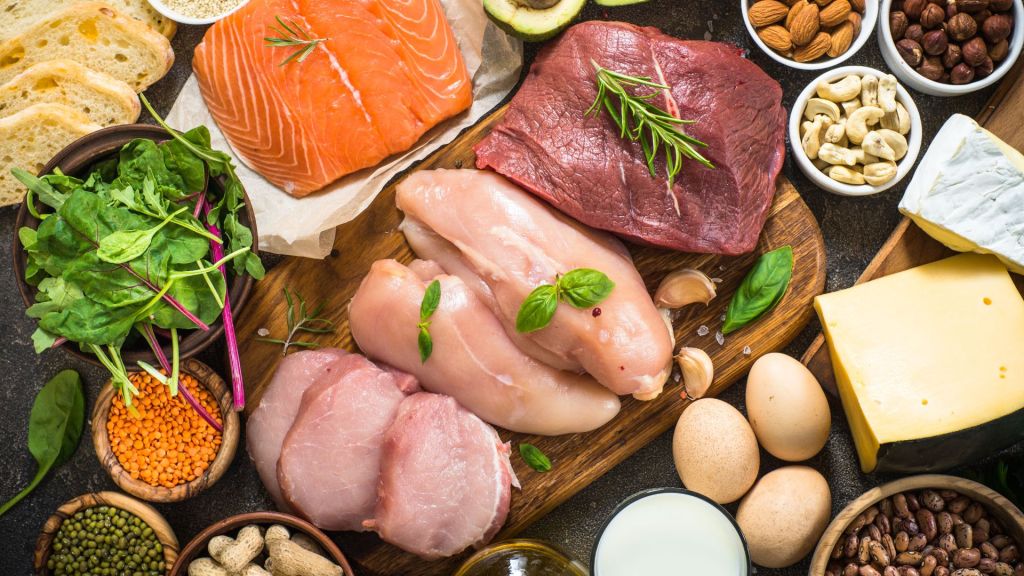
Thailand offers a variety of dishes that may include raw or lightly cooked ingredients. While many are perfectly safe when prepared correctly, travelers should exercise caution, especially if they have sensitive stomachs.
Pay extra attention when consuming:
- Raw seafood
- Undercooked meat
- Raw eggs
- Unpasteurized dairy products
- Prepared salads that may have been washed in untreated water
If you’re unsure about a dish, don’t hesitate to ask how it is prepared before ordering.
Drinking-Water Safety in Thailand

Tap water in Thailand is generally not recommended for drinking. Most residents and visitors rely on bottled water, filtered-water dispensers, or home filtration systems.
To stay safe:
- Choose sealed bottled water from reputable brands
- Check that bottle seals are intact before opening
- Use bottled or filtered water for brushing teeth if you have concerns
- Be cautious with ice from unknown sources, particularly in remote areas
Hotels, shopping malls, restaurants, and cafés in tourist areas typically use commercially produced ice, which is generally considered safe.
Enjoying Thailand’s Fresh Fruit Safely
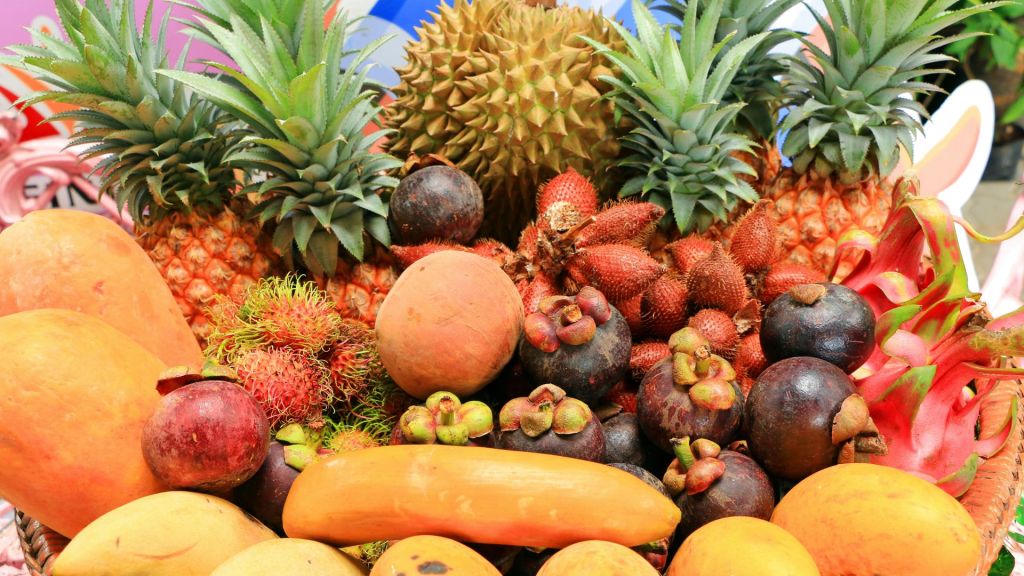
Thailand’s tropical fruits are among the country’s greatest culinary attractions. Mangoes, pineapples, dragon fruit, mangosteen, rambutan, and watermelon are widely available year-round.
For maximum safety:
- Choose fruit that can be peeled
- Wash fruits before eating when possible
- Purchase from vendors with clean displays and high turnover
- Avoid pre-cut fruit that has been sitting unrefrigerated for extended periods
Freshly cut fruit prepared in front of you is often a safer option than fruit that has been exposed to heat and air for hours.
Food Safety at Home for Expats
For expats and long-term residents, food safety extends beyond restaurants and markets.
When shopping and cooking at home:
Store Food Properly
Thailand’s tropical climate can accelerate food spoilage. Refrigerate perishable items promptly and avoid leaving food at room temperature for long periods.
Check Expiration Dates
Imported and local products typically display expiration dates, but labeling formats may vary. Take a moment to confirm dates before purchasing.
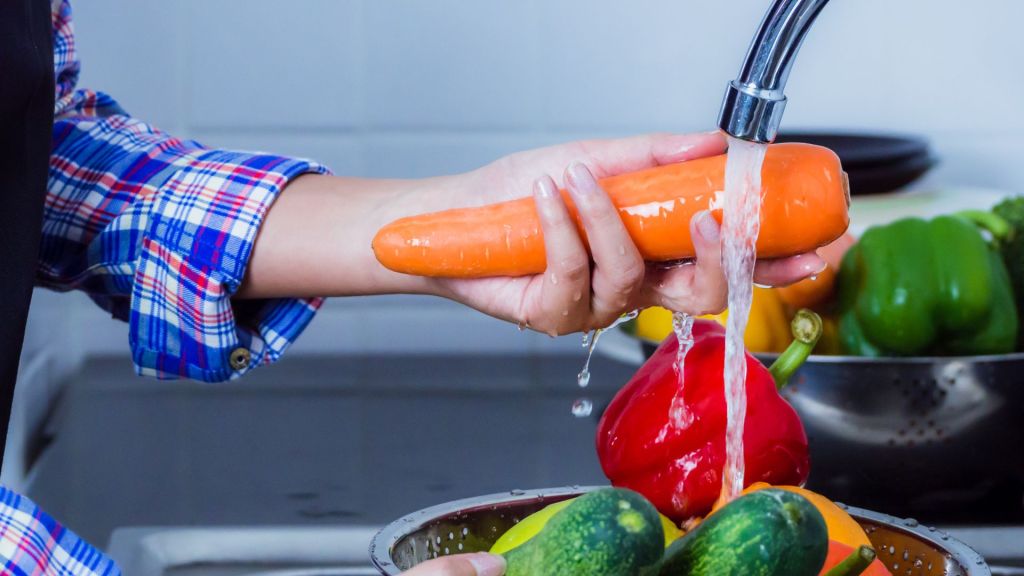
Wash Produce Thoroughly
Fresh vegetables and herbs should be washed carefully before use. Many residents soak produce in clean water and rinse thoroughly before cooking or serving.
Maintain Kitchen Hygiene
Regularly clean food-preparation surfaces, utensils, cutting boards, and refrigerators to reduce the risk of contamination.
Staying Safe at Markets and Festivals
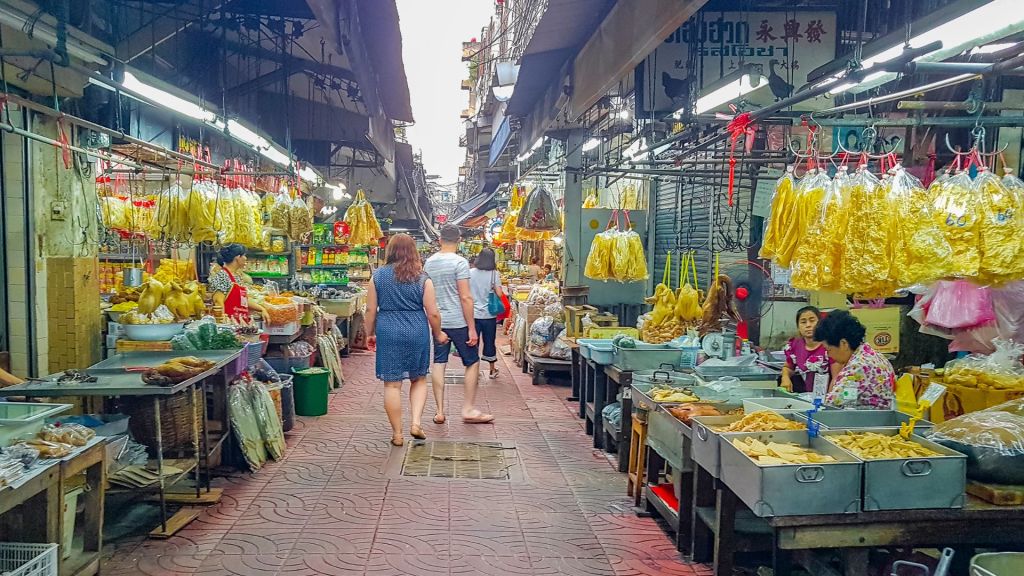
Thailand’s festivals and local markets are excellent places to experience regional cuisine and traditional foods.
When attending food festivals, temple fairs, or night markets:
- Choose vendors with good customer turnover
- Avoid food that has been sitting uncovered for long periods
- Ensure hot foods are served hot
- Be cautious with seafood displayed without adequate cooling
- Carry hand sanitizer when washing facilities are limited
These simple precautions can significantly reduce the risk of food-related illness while allowing you to enjoy authentic local experiences.
What to Do If You Experience Food Poisoning

Most mild cases of food poisoning improve within a few days.
If symptoms occur:
- Stay hydrated
- Rest as much as possible
- Avoid alcohol and heavy meals
- Consider oral rehydration solutions if dehydration develops
Seek medical attention if symptoms are severe, persistent, involve significant dehydration, or include high fever.
Thailand has excellent private healthcare facilities in major cities and tourist destinations, making medical assistance readily available when needed.
Comments