









South Korea Tightens Lithium-Battery Rules on Planes Amid Rising Aviation Risks

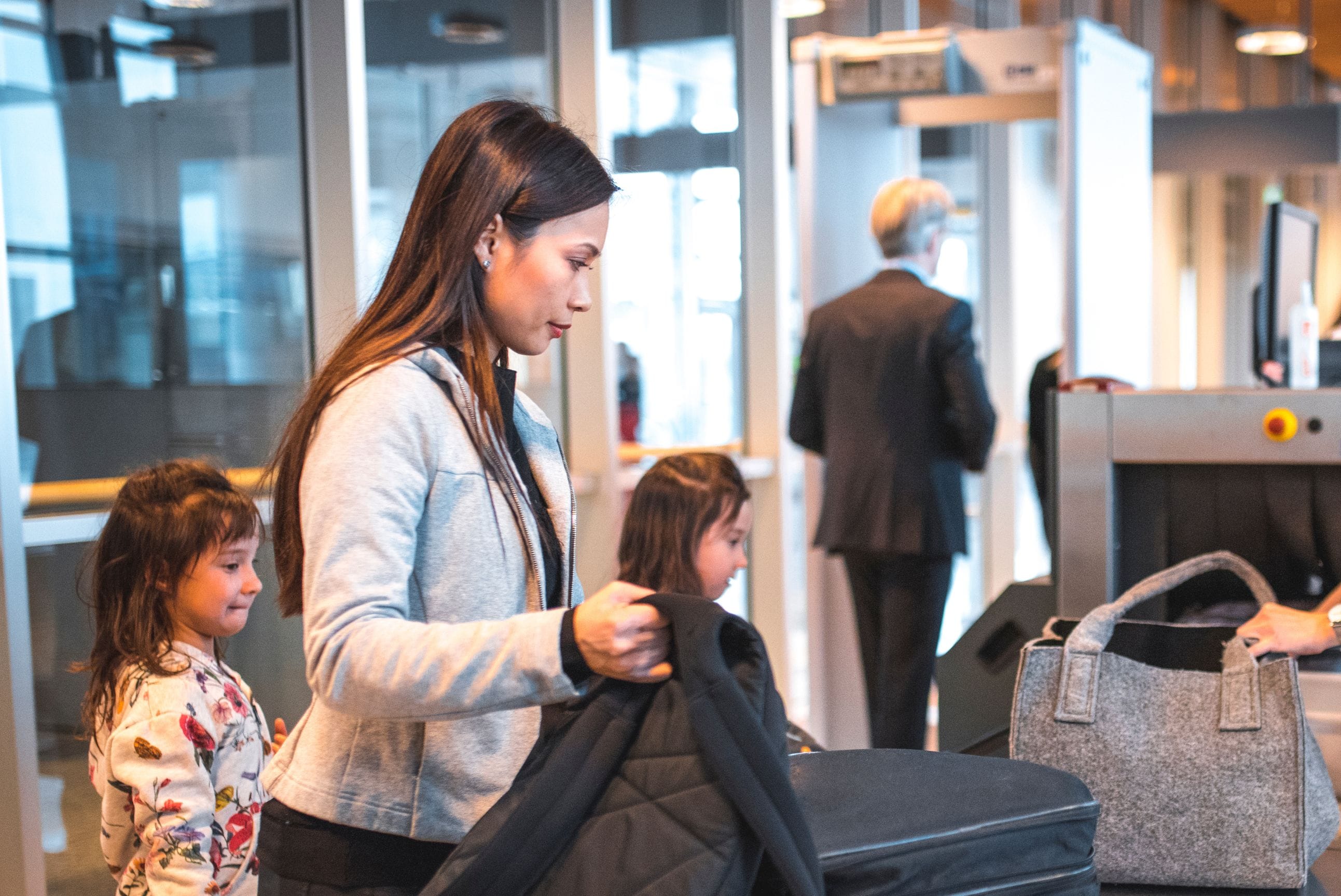
South Korea has introduced stricter regulations on carrying lithium batteries on airplanes, addressing growing safety concerns. The new rules, effective Saturday, aim to reduce fire risks from batteries in cellphones, e-cigarettes, and other electronics, which can overheat and cause smoke or fire.
The U.S. Federal Aviation Administration (FAA) reported a rise in overheating incidents, from under one per week in 2018 to three per fortnight in 2024. As lithium-powered devices become more common, aviation authorities are tightening safety measures.
New Lithium-Battery Rules
Passengers on South Korean airlines must carry power banks and e-cigarettes on their person, not in overhead bins. Charging devices onboard is prohibited, and battery limits apply: up to five 100-watt-hour batteries allowed, while those over 160-watt-hours are banned. Batteries must be stored in clear plastic bags.
Response to Air Busan Fire
The stricter rules follow public concern after an Air Busan aircraft caught fire in January while waiting for takeoff. Investigators suspect the fire started in an overhead cabin locker. All 170 passengers and six crew were safely evacuated before the plane was destroyed.
The International Air Transport Association (IATA) states that cabin-crew firefighting procedures effectively manage in-flight lithium-battery incidents, but evacuation is the safest option on the ground. Crew members are trained to use extinguishers, cool batteries with liquid, and isolate overheating devices in fire-containment pouches.
A Growing Aviation Threat
Lithium batteries power laptops, smartphones, tablets, smartwatches, power banks, and e-cigarettes. A full flight could have hundreds onboard. Manufacturing defects or damage can cause short circuits, overheating, and even explosions.
Following fatal cargo-plane fires in 2010 and 2011, the U.N. aviation agency ICAO banned lithium-battery cargo on passenger planes. Current aviation rules require power banks and devices to be in the cabin, not checked luggage, so malfunctions can be handled immediately.
Future Safety Measures
A December 2024 European Union Aviation Safety Agency (EASA) report found that non-compliant lithium batteries often end up in checked baggage, highlighting the need for better screening. Authorities are exploring new detection methods, including scent-detection dogs.
South Korea’s updated regulations reflect global efforts to address the growing risks of lithium batteries in aviation. As battery technology advances, safety measures will continue to evolve to prevent potential hazards.
Comments