









Thailand is one of Southeast Asia’s most rewarding destinations for birdwatching. With its mix of wetlands, forests, and mountains, the country supports an incredible variety of birdlife throughout the year — far beyond just the migratory season.
Whether you’re a dedicated birder or simply enjoy spotting wildlife while traveling, Thailand offers accessible, diverse locations where birds can be seen in every season. And with World Migratory Bird Day highlighting the importance of protecting habitats worldwide, there’s no better time to explore the environments that support birdlife in Thailand year-round.
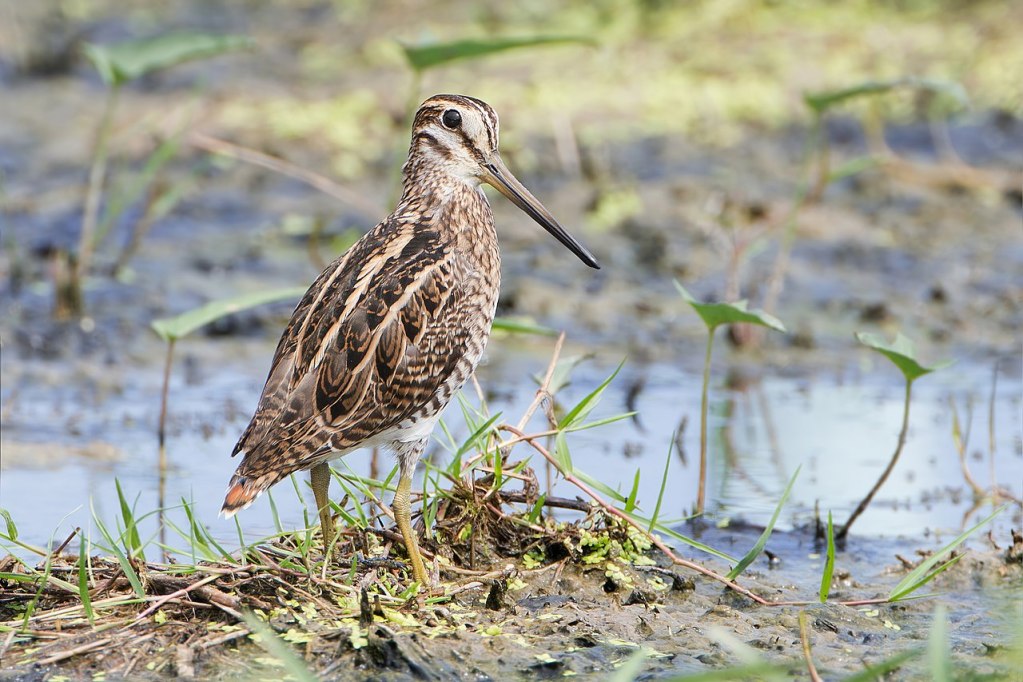
(Photo credit: JJ Harrison (https://www.jjharrison.com.au/), CC BY 3.0, via Wikimedia Commons)
Coastal Wetlands: Easy Birding with Big Variety
Thailand’s coastal areas are among the easiest places to get started with birdwatching, thanks to open landscapes and high bird visibility.
Pak Thale
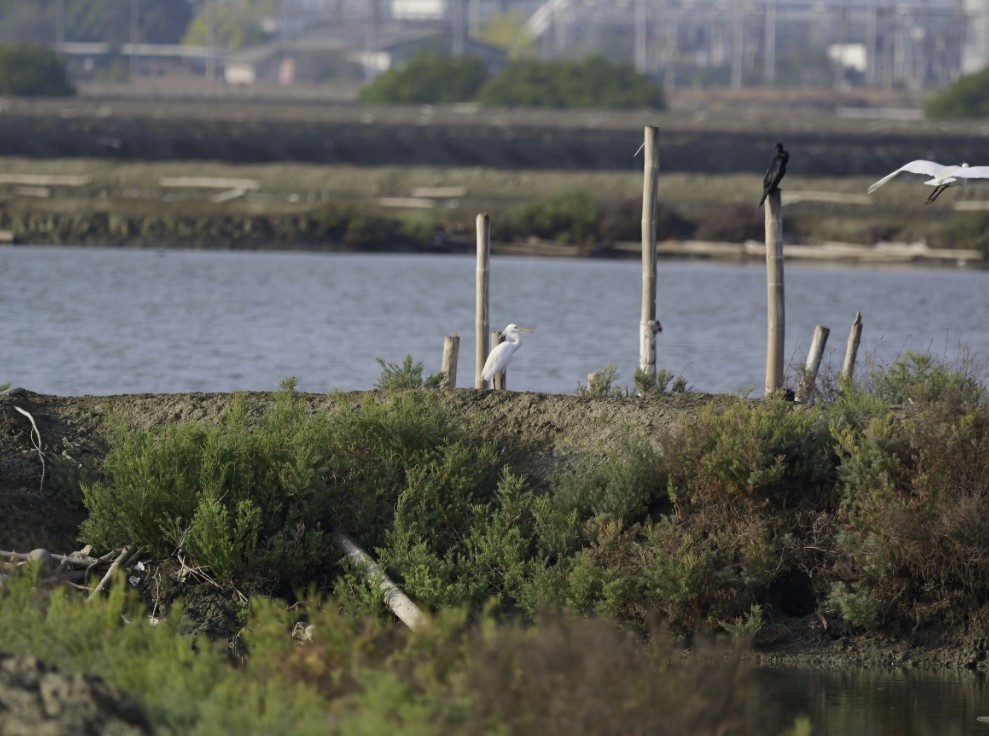
Pak Thale is one of the country’s most well-known birdwatching spots, with wide salt pans and mudflats that make it easy to scan for birds. Even outside peak migration periods, you can expect to see a range of shorebirds, along with resident species such as egrets and herons. The flat terrain makes it ideal for beginners and photographers alike.
Laem Phak Bia
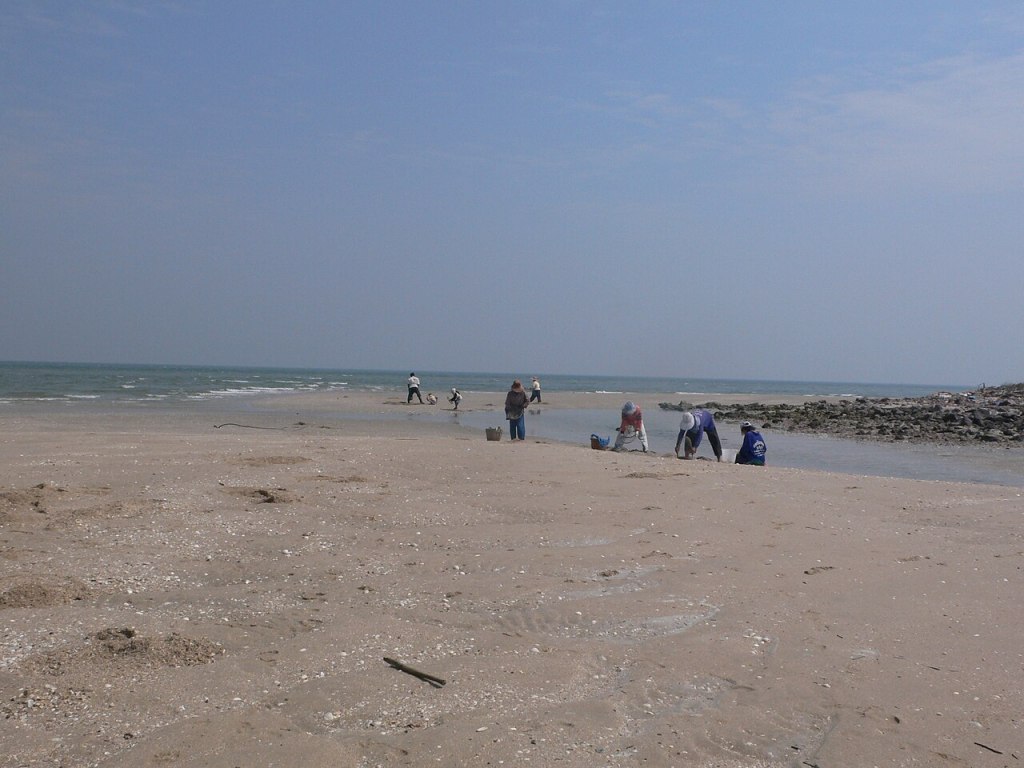
A short distance from Pak Thale, Laem Phak Bia offers a mix of habitats, including mangroves, mudflats, and coastal wetlands. This variety supports a steady presence of birdlife throughout the year. It’s a great place to combine birdwatching with a relaxed coastal visit, with frequent sightings of waders, kingfishers, and other waterbirds.
Freshwater Habitats: Calm Waters, Constant Activity
Bung Boraphet

As Thailand’s largest freshwater swamp, Bung Boraphet is rich in biodiversity. While it’s especially lively in the cooler months, bird activity continues year-round. Visitors can spot storks, herons, and various waterbirds, often from boats that glide quietly through the wetlands, offering a different perspective from coastal birding.
Mountain Forests: Cooler Air, Unique Species
Northern Thailand’s mountains provide a completely different birdwatching experience, with cooler climates and forest-dwelling species.
Doi Inthanon National Park
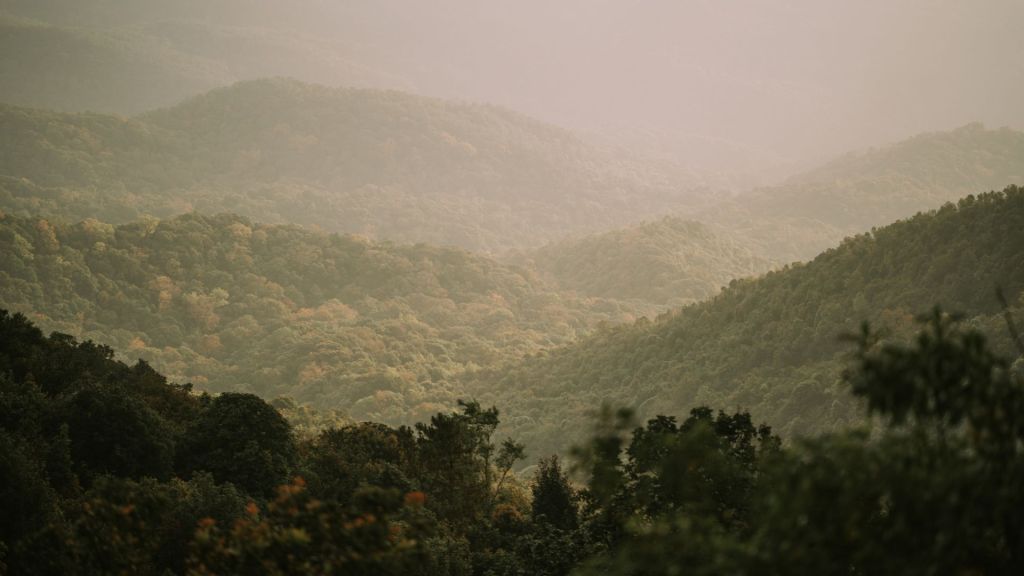
Thailand’s highest peak is home to one of the richest bird populations in the country. With over 350 recorded species, Doi Inthanon offers rewarding sightings in every season. Sunbirds, laughingthrushes, and other forest species are commonly seen, especially in the early morning when the forest is most active.
Doi Ang Khang

Known for its cooler temperatures and scenic views, Doi Ang Khang is another excellent northern destination. Its mix of forest and open areas supports a wide range of birds, and the peaceful surroundings make it a pleasant place to spend time even beyond birdwatching.
Forest Sanctuaries: Deep Nature Experiences
Kaeng Krachan National Park
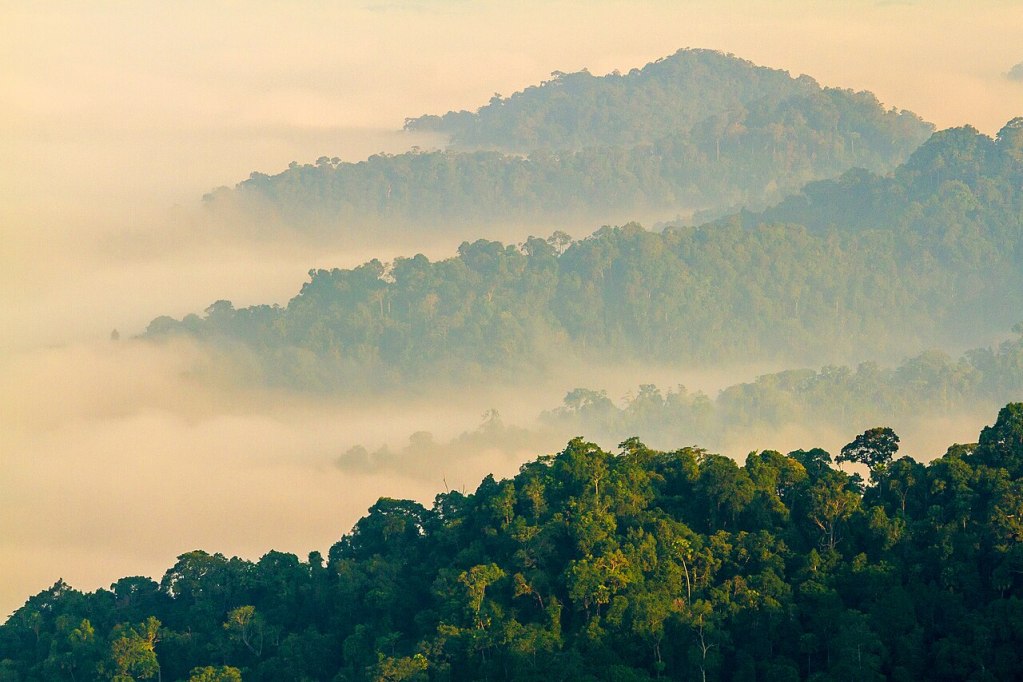
As Thailand’s largest national park, Kaeng Krachan is a haven for wildlife. Dense forests provide habitat for hornbills, broadbills, and many other species. Birdwatching here rewards patience: those who move slowly and listen carefully often encounter some of the park’s most impressive birds.
Khao Yai National Park

Easily accessible from Bangkok, Khao Yai is one of Thailand’s most popular national parks for good reason. Its varied landscapes support a wide range of birds year-round, from colorful woodpeckers to large hornbills. Even a short visit can yield memorable sightings.
Tips for Birdwatching in Thailand
- Go early or late: Birds are most active at dawn and dusk
- Bring binoculars: Essential for spotting distant species
- Stay patient: Birdwatching rewards those who take their time
- Explore different habitats: Each environment offers something unique
- Consider a local guide: They can help you find species you might otherwise miss
Comments