


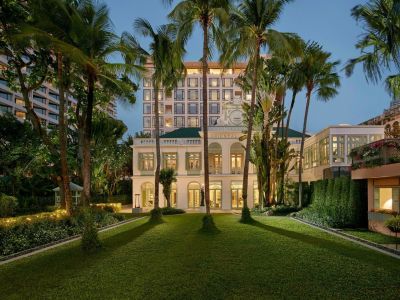
Main photo: Mandarin Oriental, Bangkok
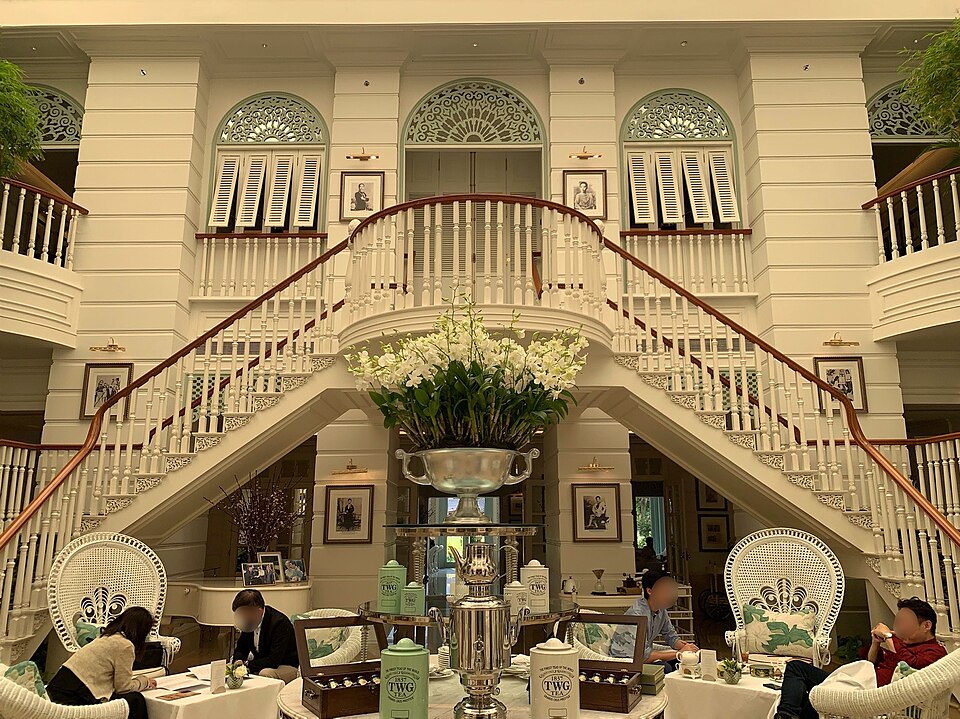
Chainwit., CC BY-SA 4.0, via Wikimedia Commons.
Few Bangkok hotels have a relationship with the city quite like Mandarin Oriental, Bangkok. Standing beside the Chao Phraya River in Bang Rak, the hotel traces its history to 1876, when it opened as The Oriental Hotel. Over the following 150 years, it became closely associated with the writers, artists, travelers, and distinguished guests who passed through its doors. Today, that heritage sits comfortably alongside contemporary luxury, an extensive collection of restaurants, and a location that makes the river an integral part of the experience.
The atmosphere is a distinctive combination of old Bangkok and polished modern hospitality. Historic buildings and literary connections give the property a strong sense of identity, while the River Wing brings a more contemporary style of accommodation. Beyond the hotel itself, private boat services connect guests with destinations on the opposite bank and the wider riverside district. It’s a particularly appealing address if you want to experience Bangkok through its history, food, architecture, and waterways.
Mandarin Oriental, Bangkok at a glance
Established
1876, originally The Oriental Hotel
Setting
Chao Phraya River, Bang Rak
Accommodation
331 rooms, including 60 suites
Dining
12 restaurants and bars
A remarkable history beside the River of Kings
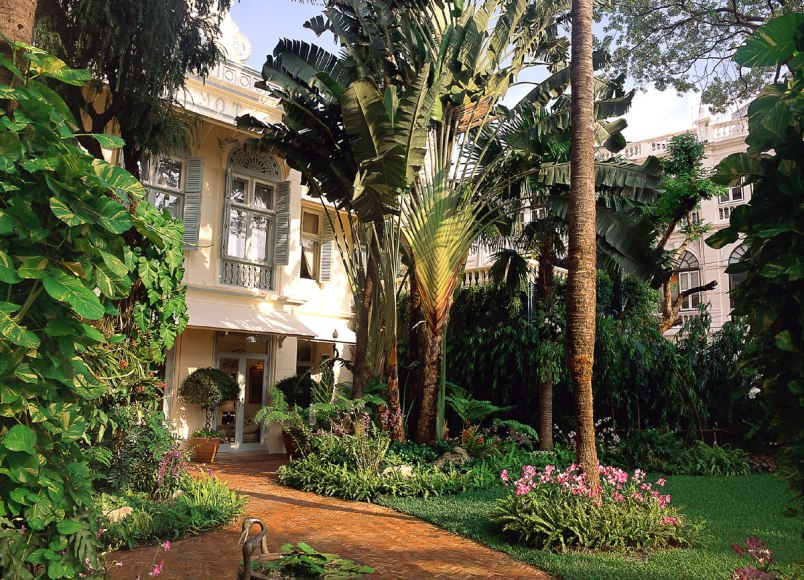
The hotel’s story began in the 19th century, when Bangkok was an important stop for international travelers arriving by river. Established in 1876, The Oriental Hotel became Thailand’s first luxury hotel and developed a reputation that extended well beyond the country. Its literary associations are an especially enduring part of its identity, with famous writers among the guests who helped make the property a celebrated meeting place.
The historic Authors’ Wing is the most evocative expression of that past. Built in 1876, it houses the hotel’s original architectural heritage and is associated with writers including Joseph Conrad, Somerset Maugham, and Noël Coward. The names of these literary figures also live on in the hotel’s accommodation, with individually themed author suites.

The contrast between the original buildings and the newer River Wing is part of the hotel’s character. Rather than relying on nostalgia alone, the property combines its historic identity with updated interiors, contemporary facilities, and an active dining and cultural program. Its 150th anniversary in 2026 marks a particularly significant milestone in Bangkok’s hospitality history.
Inside, the public spaces reflect the hotel’s long-standing connection with classic Bangkok hospitality. The lobby provides a sense of arrival, with elegant furnishings and an atmosphere that feels more traditional than that of the contemporary glass-and-steel hotels found in other parts of the city.
Much of the appeal lies in the details: the historic photographs, the carefully maintained interiors, and the relationship between the original hotel buildings and the riverfront setting. The property feels like an established part of Bangkok rather than a hotel that could have been placed in any major city.
Rooms and suites with a sense of place
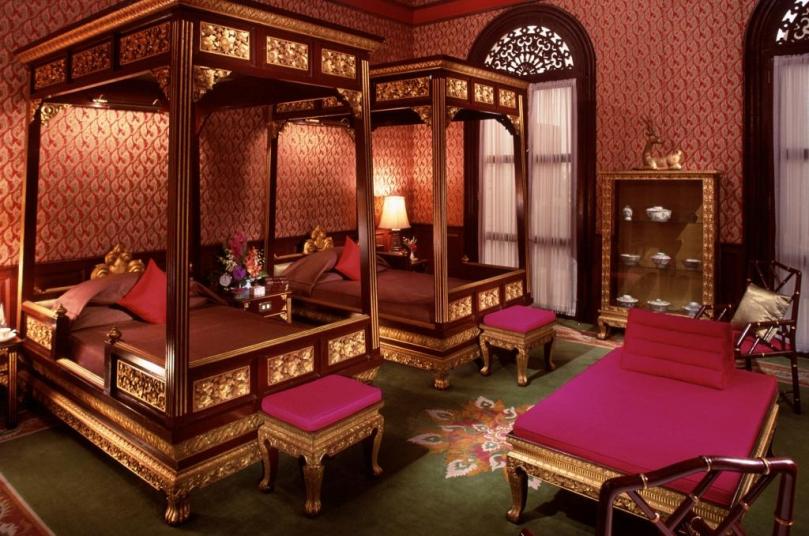
Mandarin Oriental Hotel Group, CC BY-SA 3.0, via Wikimedia Commons.
Accommodation is spread across a collection of room and suite categories, with 331 rooms 60 of which are luxurious suites. Most have floor-to-ceiling windows overlooking either the Chao Phraya River or the city, giving the views an important role in the overall feel of the rooms.
The interiors combine contemporary comfort with Thai design influences. Wooden floors, Thai silks, carefully crafted furnishings, and spacious bathrooms help give the accommodation a distinctive character. Room categories include Deluxe Premier Rooms, Chao Phraya Rooms, Deluxe Balcony Rooms, and Mandarin Rooms, while the suite collection offers more generous living and dining spaces.
If you’re interested in the hotel’s history, the author-themed suites are particularly noteworthy. The Joseph Conrad, Somerset Maugham, Noël Coward, and James Michener suites are associated with the original Authors’ Wing, while other literary-themed accommodation is found in the River Wing.
Guest-room amenities include high-speed internet, televisions, Bluetooth speakers, refrigerators and minibars, tea- and coffee-making facilities, and clothes steamers. Butler service is also part of the hotel’s accommodation offering.
Room Views
River and city outlooks
Floor-to-ceiling windows in most accommodation categories make the Chao Phraya and Bangkok skyline part of the room experience.
Suites
More room to settle in
Selected suites have separate living and dining areas, balconies, and additional space for longer or more residential stays.
Literary Heritage
Author-themed suites
Named accommodation celebrates writers who have stayed at the hotel, connecting the guest experience with its history.
A destination for dining, from Thai heritage to fine French cuisine
Dining is one of the major attractions at Mandarin Oriental, Bangkok, with a collection of 12 restaurants and bars covering a wide range of cuisines and styles. Options include traditional Thai, Cantonese and Chaoshan specialties, Italian food, international dining, seafood, French fine dining, and afternoon tea. Several venues are directly beside the river, while others are reached by the hotel’s private shuttle boats.
The range makes the hotel particularly versatile. You might come for an elaborate dinner, a leisurely afternoon tea, a traditional Thai meal across the river, or a relaxed breakfast overlooking the water. A number of the restaurants also have their own distinctive histories and identities. For current menus, opening hours, and reservations, see the hotel’s official dining directory.
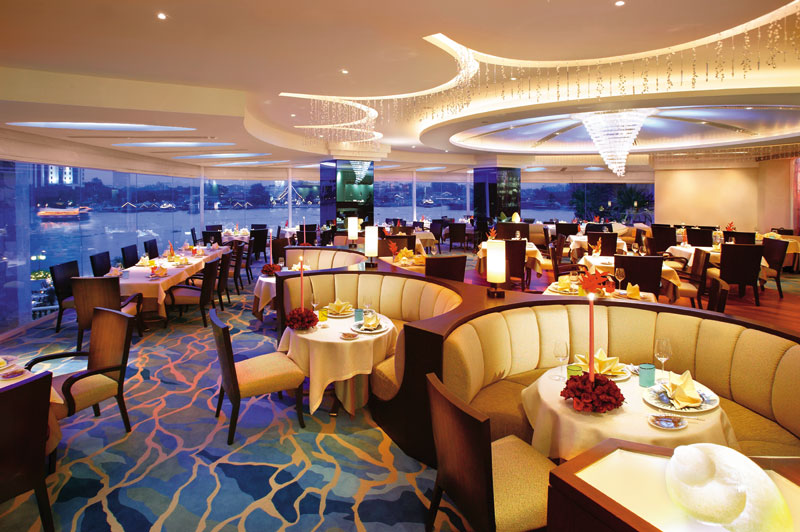
Mandarin Oriental Hotel Group, CC BY-SA 3.0, via Wikimedia Commons.
Lord Jim’s: seafood and international dining
Lord Jim’s is one of the hotel’s best-known restaurants, with river views and a strong emphasis on seafood and premium ingredients. Its lunch buffet combines seafood, roast meats, and international classics, while the evening buffet takes a more seafood-focused approach, with live cooking stations and selections prepared to order.
Signature dishes include pan-fried foie gras at lunch, along with evening specialties such as Lobster Thermidor, Oyster Rockefeller, and sea bass baked in a salt crust with white wine sauce. It’s an appealing choice for diners who enjoy a wide selection and the atmosphere of a traditional hotel restaurant.
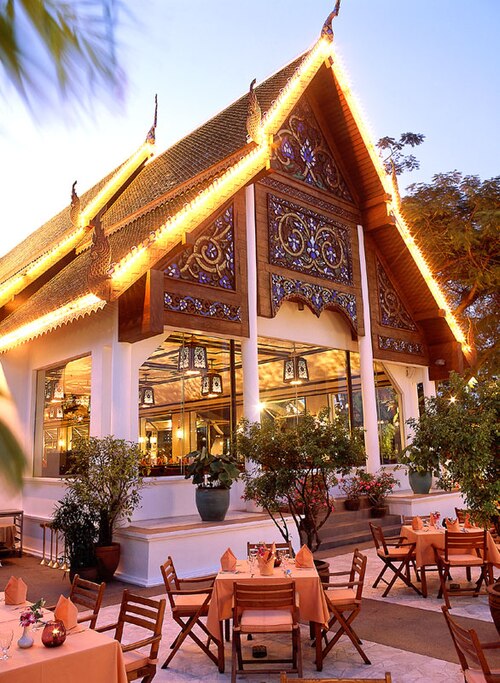
Sala Rim Naam: traditional Thai dining
Sala Rim Naam offers a traditional Thai dining experience on the opposite bank of the Chao Phraya River. Its setting in a traditional Thai-style pavilion gives the restaurant a strong sense of place, while the menu showcases classic Thai dishes and regional flavors.
Evening visits can include traditional Thai dance performances, adding a cultural dimension to the meal. The hotel’s private boat service makes the short river crossing part of the experience.
Baan Phraya: traditional Thai cooking
For a more distinctly Thai dining experience, Baan Phraya occupies a restored historic riverside residence across the Chao Phraya. The restaurant celebrates traditional Thai recipes and culinary heritage, with Chef Pom Phatchara Pirapak bringing regional and royal-inspired dishes into a contemporary dining setting.
The menu includes distinctive Thai preparations such as ma ho, a pineapple relish with homemade pickled turnip, peanuts, and tamarind, and khanom dok jok, a traditional Thai honeycomb biscuit. Grilled Surat Thani river prawn with tamarind and chili sauce is another signature dish. The setting and cooking make this a particularly interesting option for visitors who want to explore Thai food beyond familiar restaurant staples.
Anne-Sophie Pic at Le Normandie: two-MICHELIN-starred French dining
Anne-Sophie Pic at Le Normandie gives the hotel a particularly distinguished place on Bangkok’s fine-dining scene. The historic restaurant has entered a new chapter under French chef Anne-Sophie Pic and holds two MICHELIN stars.
The cuisine combines French gastronomic traditions with the chef’s distinctive approach to aromas, textures, and flavor combinations. Signature creations include her Berlingots, while dishes such as lobster dashi with red fruits demonstrate the influence of Asian ingredients and culinary ideas. The restaurant offers à la carte dining and tasting-menu experiences.
The Verandah: relaxed dining beside the river
The Verandah is the hotel’s all-day-dining restaurant, with indoor and outdoor seating overlooking the Chao Phraya. Its menu brings together Western and Asian dishes, including Thai favorites such as pad thai, alongside breakfast selections, freshly baked pastries, and homemade ice cream.
It’s a convenient option if you prefer a more informal meal or want to enjoy the riverfront setting at different times of day. Breakfast is available à la carte or as a buffet, followed by an all-day menu.
Afternoon tea and evenings with live jazz
The Authors’ Lounge is one of the hotel’s most recognizable spaces. Located on the ground floor of the original Oriental Hotel, it retains an early-20th-century atmosphere, with wicker furniture, hand-painted fabrics, and framed photographs of writers associated with the property.
Its traditional afternoon tea is a long-standing attraction. The menu includes delicate finger sandwiches, pastries, freshly baked scones, and homemade jams, served in surroundings that make the experience as much about the setting as the food. Four adjoining private lounges are also available for smaller gatherings.
For an evening with a different mood, The Bamboo Bar has been part of Bangkok’s music scene since 1947. Its intimate atmosphere, classic cocktails, and live jazz and blues make it one of the hotel’s most distinctive venues. Live performances take place throughout the week, with a pianist performing on Sundays.
The Oriental Spa and a dedicated wellness center

The Oriental Spa occupies a traditional Thai residence across the river, giving a spa visit a rather different sense of arrival. The setting provides a quieter counterpoint to the activity of central Bangkok.
The spa has 18 treatment rooms and offers treatments influenced by Thai and wider Asian heritage, alongside contemporary wellness approaches. Its historic surroundings are an important part of the experience, making the journey across the river feel like a natural introduction to the treatment itself.
The wider Fitness & Wellness Centre provides facilities for guests who want to maintain an exercise routine during their stay. These include a gymnasium, Muay Thai studio, yoga studio, tennis court, and swimming-pool facilities. The hotel also lists a Recovery Studio among its wellness spaces.
Spa
The Oriental Spa
18 treatment rooms in a traditional Thai residence across the river.
Fitness
Fitness & Wellness Centre
A gymnasium and dedicated spaces for different forms of exercise.
Activities
Movement and training
Facilities include Muay Thai, yoga, tennis, and swimming.
The river is part of the hotel experience
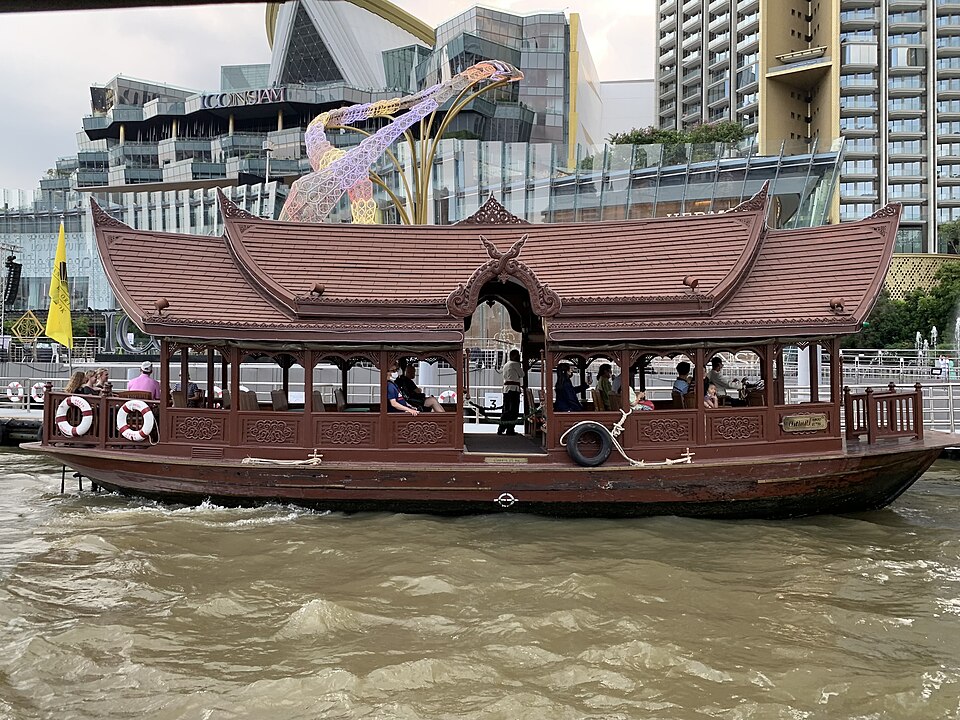
One of the practical advantages of staying at Mandarin Oriental, Bangkok is the hotel’s private boat service. Rather than treating the Chao Phraya as simply a view from the window, the hotel uses the river as a transport connection to several nearby destinations.
A complimentary shuttle boat runs between the hotel and ICONSIAM, with departures every 30 minutes. A one-way service to Sathorn Pier is also available on request.
Private teakwood boats also serve the hotel’s restaurants and wellness facilities on the opposite bank, including Baan Phraya, Sala Rim Naam, Terrace Rim Naam, and The Oriental Spa. This makes reaching these venues an enjoyable part of the visit rather than just another journey across town.
Address
48 Oriental Avenue, Bang Rak, Bangkok 10500, Thailand
A riverside address in Bangkok’s Creative District
Mandarin Oriental, Bangkok occupies a prominent position on the eastern bank of the Chao Phraya River in Bang Rak. The surrounding area is part of Bangkok’s historic riverside and Creative District, with a mix of heritage buildings, galleries, independent businesses, restaurants, and established riverside institutions.
Its position also makes it a useful base for exploring different sides of the city. The river provides access to ICONSIAM and other destinations along the water, while Sathorn Pier and the Saphan Taksin BTS station offer connections to the wider public transport network.
The hotel’s location is particularly suited to travelers who enjoy exploring Bangkok’s older neighborhoods and riverfront attractions. It offers a different perspective from staying in the major commercial and shopping districts around Siam, Sukhumvit, or Chidlom, while retaining convenient connections to the rest of the capital.
Useful details before you go
Address
48 Oriental Avenue, Bang Rak, Bangkok 10500, Thailand.
Hotel reservations
+66 (0) 2 659 9000.
Authors’ Lounge
Daily, noon to 7 p.m. Afternoon tea is served from noon to 6 p.m.
The Verandah
Breakfast and all-day dining, with the all-day menu available from 10:30 a.m. to midnight.
The Bamboo Bar
Open from 5 p.m. Live music is scheduled throughout the week.
River shuttle
Complimentary service to ICONSIAM every 30 minutes. A one-way service to Sathorn Pier is available on request.
Restaurant reservations
Reservations are highly recommended, though The Bamboo Bar welcomes walk-in guests.
Comments